


Spring Pool Opening Chemical Balance
 16 Feb 2026
 Water Safety
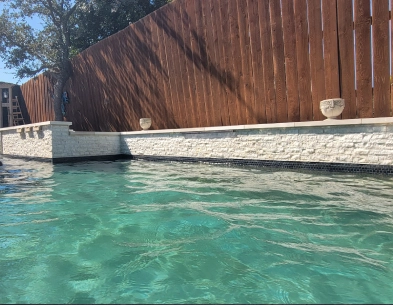
Spring is in the air, and it’s time to start preparing for pool opening! After a long hibernation, your pool will need some serious TLC and cleaning. So before you break out the pool floats and goggles, let’s talk about the most important part of pool opening: water chemical balance. Ensuring your pool opening chemicals are squared away is the first and most crucial step of a successful spring pool opening.
Pool Opening Chemical Kits
Pool Opening Chemical Kits are the easiest way to ensure you have all the chemicals you need to open your pool. They include everything you need to test, balance, and clean the water, like shock, algaecide, water clarifier, and more. With multiple different kits to choose from, it’s simple to select the one you need, based on your pool size.
First Step: Clean Your Pool
The first step to water balance is to clean the pool and circulate the water. By running your pool pump and filter, you will remove all the contaminants that entered the pool during the winter. Use a skimmer brush to scoop out any large pieces of debris like leaves or twigs. Then, thoroughly brush the walls and floor of your pool to loosen any stubborn dirt. After you brush your pool, turn your automatic cleaner on and let it whisk away the loose debris.
It’s a good idea to let your pool pump and filter run longer than usual during the first few days of pool opening. This will help clear up the water faster and expedite the incorporation of pool opening chemicals.
Check Your Water Testing Supplies
Before you test and balance your pool opening chemicals, check the expiration date on your test kit or test strips. If you use a test kit, always use new testing reagents, as old ones can cause inaccurate test results. It’s best practice to replace your test kit reagents every year, and test strips every 2–3 years.
Total Alkalinity
The first pool-opening chemical to balance is Total Alkalinity (TA), followed by pH. TA buffers pH, making it more or less resistant to change. With low TA, below 75 parts per million (ppm), your pool’s pH level will fluctuate. When TA is too high — above 120 ppm — your pH may be hard to adjust.
Total Alkalinity for pools should be in the 80–120 ppm range. If it’s too low, add Alkalinity Increaser, and if it’s too high, add pH decreaser. Often times, lowering the TA level must be done in stages to keep the pH level from getting too low. In other words, you may need to lower TA, raise pH and then lower the TA level again.
For easier control over pH and TA, check out pHree & Clear tablets. The patented formula maintains both pH and TA in pools and spas, while also delivering powerful clarifiers to make a fast spring clean-up. One bucket of pHree & Clear each year is usually all that’s needed to tame inconsistent pH/TA pool conditions.
Calcium Hardness
Once pH and TA are managed, it’s time to address the Calcium Hardness level. Calcium Hardness is the measure of how hard or soft your pool water is. When your water is very hard, with a Calcium Hardness level above 400 ppm, it can cause scale buildup, cloudy water, and stains. Soft water, or a Calcium Hardness level below 200 ppm, causes foam, and can even corrode plaster, metals, and vinyl liners.
The Calcium Hardness level for pools should be in the 200–400 ppm range. If Calcium Hardness is too low, add Calcium Increaser to the pool to increase the hardness. And unfortunately, lowering the Calcium Hardness level is not as easy as raising it. The only way to properly lower Calcium Hardness is to partially drain the pool and dilute the saturated water with fresh, clean water.
Stabilizer or Conditioner
When the pH, Total Alkalinity, and Calcium Hardness levels have been tested and balanced, it’s time to check the conditioner or stabilizer level. Also known as Cyanuric Acid, this chemical protects chlorine from the sun’s UV rays and is key to prolonging the life of your sanitizer. Stabilizer is an important pool opening chemical, as it keeps your pool’s chlorine protected once the pool cover comes off.
The ideal range for stabilizer is between 30 and 50 ppm. An insufficient amount of stabilizer results in chlorine break down, especially on sunny days. And too much stabilizer inhibits the oxidizing abilities of your chlorine, resulting in unsanitized water. To increase the stabilizer level in your pool, simply add more of it, using Pool Conditioner/Stabilizer. While raising the stabilizer level is easy, lowering it is much more of a hassle. Just like Calcium Hardness, the only way to decrease the amount of stabilizer in your pool is to partially drain your pool and refill with fresh, clean water.
Chlorine and Shock
As the first line of defense against contaminants and bacteria, its vital to get your pool’s chlorine level adjusted quickly when adding pool opening chemicals. Ideally, the chlorine level should always be between 2 and 4 ppm. This ensures your pool is properly sanitized and safe for swimming. The best way to adjust chlorine levels after opening is to use a strong dose — or three! — of pool shock.
Pool Shock
For a spring opening when the pool has been closed for 4-6 months, hit it hard with pool shock. If your pool is especially dirty, or if algae is present, you will likely need to do two or three rounds of shock to clear out contaminants. Always refer to the dosing instructions on the shock label to ensure proper use and shock your pool at night to avoid UV breakdown.
For vinyl pools, dilute the pool shock by pouring 1–2 bags into a bucket full of pool water. Stir with a clean stick until fully dissolved. Then, slowly pour the mixture around the edge of the pool, being careful not to splash the shock onto yourself or the pool deck.
Once you’ve added the shock, let the pump and filter run overnight, and backwash or clean the filter if needed. Then test the chlorine level again. If the level is too low, shock, then retest again. Continue the process of shocking and testing every 12–24 hours until the chlorine level maintains 2–4 ppm.
Run the Pool Filter
Run the pool filter and pump 24/7 for the first few days after opening and adding pool opening chemicals, then resume a normal run schedule. As the weather gets warmer, you will need more filtering run time. One of the biggest problems pool owners face is when they do not run the pump long enough each day. After opening, run your filter system for at least 12 hours a day. If your filter system is properly sized for your pool, 12 hours should be enough time.
Balancing pool opening chemicals might sound daunting, but it doesn’t have to be! Start with the first step and go down the list, testing your water often. If you test the pool water regularly, you’ll keep problems at bay by staying on top of chemical adjustments. Check your chemical stock before opening to ensure you have the right balancing chemicals on hand.