


Sally and Max Learn to Swim Underwater
 16 Feb 2026
 Sally & Max's Adventures
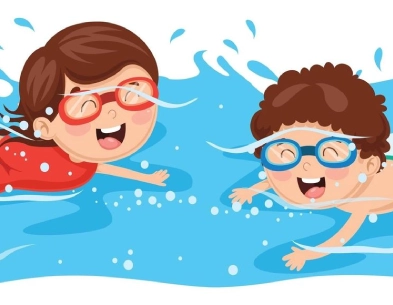
Sally and Max had always loved swimming. They were curious about the fish they saw in the aquarium and wanted to feel more comfortable putting their faces in the water. They joined a supervised lesson to practice swimming skills at their own pace.
With their instructor beside them and a responsible adult watching closely, they stood at the pool steps. “I don’t think I can do this,” Sally said nervously.
Max put a hand on her shoulder. “We can ask for help,” he said. “We don’t have to rush.”
Following their instructor’s directions, Sally and Max entered the water. They practiced putting their faces in briefly, blowing bubbles, and returning to the surface comfortably.
They looked at each other. “I still feel a little nervous,” Sally said.
Max nodded. “That’s okay,” he said. “We can take a break and tell our instructor.”
Sally and Max took turns practicing with their instructor close by. Nobody counted how long they stayed underwater or challenged them to swim farther.
“I have a question about swimming underwater,” Sally said.
Max nodded. “Let’s ask the lifeguard before our next lesson,” he said.
The lifeguard was happy to explain. “Never compete to hold your breath or swim the farthest underwater,” he said. “Holding your breath underwater for too long can cause you to pass out and drown, even if you are a strong swimmer.”
“Practice with your instructor, follow the pool rules, and never push yourself to stay underwater,” the lifeguard added. At their next supervised lesson, their instructor helped them practice comfortable breathing and blowing bubbles.
Sally and Max took turns blowing bubbles. They made silly faces and pretended they were fish, remembering that people need to return to the surface to breathe.
The instructor suggested a game using floating toys at the surface. “We can have fun without breath-holding contests,” she said.
Sally and Max played the game under close supervision. They practiced the skills their instructor had chosen for them and took breaks whenever they needed them.
After several lessons, Sally and Max felt more comfortable in the pool. They were excited about their progress, without measuring it by how long they could stay underwater.
“We did it!” Sally shouted.
Max grinned. “We’re learning something new,” he said.
Sally and Max continued to practice with their instructor. They worked on floating, turning, and returning to the pool wall, with activities matched to their abilities.
One day, Sally suggested another game. “Could we have a race?” she asked.
“Let’s ask our instructor,” Max said. “And no racing underwater or seeing who can hold their breath the longest.”
The instructor chose a short activity at the surface that suited their skills. Sally and Max followed her directions, breathed normally, and stopped to rest rather than pushing themselves to win.
Afterward, they sat on the pool steps with their supervising adult nearby and laughed about the funny faces they had made.
“We don’t have to win a race to get better,” Sally said.
Max grinned. “We can just keep learning,” he said.
Sally and Max looked forward to their next supervised lesson. They were building confidence and learning to respect the water. They knew that swimming skills do not remove every risk, and that children still need close, constant adult supervision in and around water.
Recent Posts