


Sally and Max Choose a Safer Swimming Game
 16 Feb 2026
 Sally & Max's Adventures
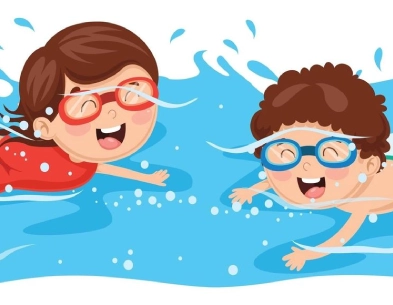
Sally and Max had been best friends for years, and they shared a love for swimming. They enjoyed summer visits to the pool with their families and were learning to feel more comfortable in the water through supervised lessons.
One day, they thought about having an underwater race. Before entering the pool, they told their instructor about the idea while their supervising adult listened.
The instructor explained that underwater distance races and breath-holding contests are dangerous. Holding your breath underwater for too long can cause a blackout and drowning, even for strong swimmers.
Max had a question. “Would practicing holding our breath make it safer?” he asked.
“No,” the instructor said. “We never compete to hold our breath longer or push ourselves to stay underwater. We can practice swimming skills without those challenges.”
“Okay, let’s choose a different game,” Sally said.
With their instructor’s guidance, Sally and Max chose an activity at the surface that matched their abilities. They practiced comfortably, without timing their breathing or trying to outlast each other.
“We want to improve our technique,” Sally said. “Can you show us what to practice?”
The instructor gave them guidance during their lesson. Sally and Max learned that watching a video or having a friend nearby does not replace qualified instruction and close adult supervision.
They practiced one at a time with their instructor close by. They worked at their own pace, took breaks, and asked for help whenever they felt unsure.
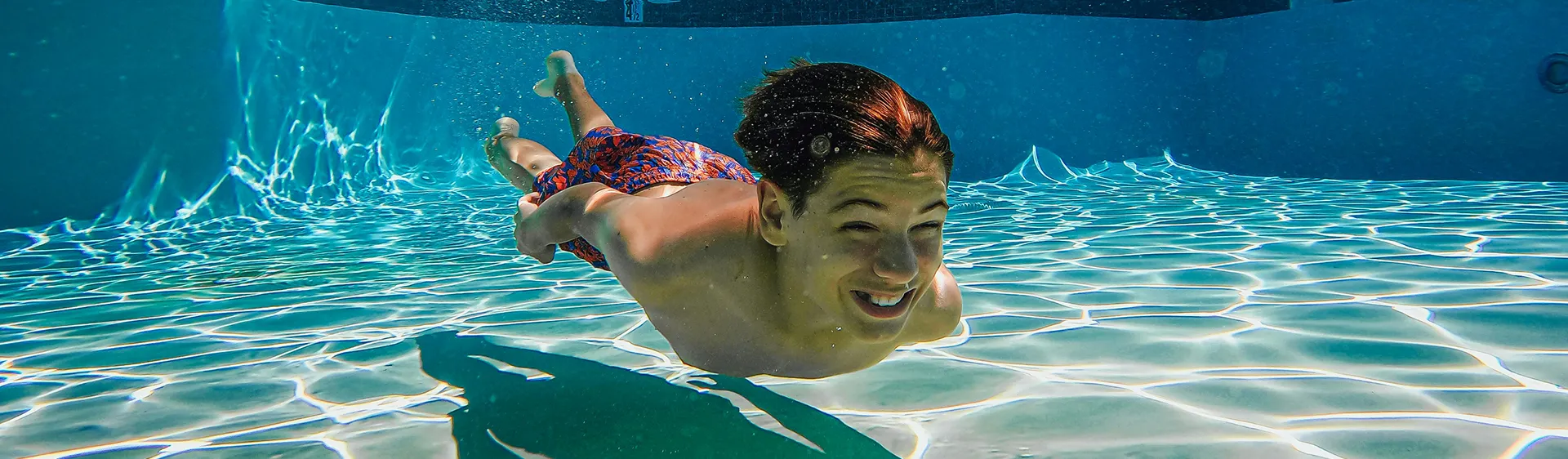
As they became more comfortable, Sally and Max noticed the bright pool tiles and floating toys. They enjoyed being in the water without needing to turn every activity into a competition.
One day, Sally had another idea. “Let’s ask our instructor to help us choose a game,” she said.
Max was intrigued. “What kind of game?”
“Something that helps us practice the skills we’re learning,” Sally said. “Maybe floating, turning, and getting back to the wall.”
Max grinned. “And no underwater race.”
The instructor chose an activity suited to their skills and supervised them closely. Sally and Max followed her directions, returned to the surface to breathe comfortably, and rested when they needed to.
“That felt better,” Sally said when they finished.
Max felt proud of their progress. “We’re learning!”
Sally and Max kept attending supervised lessons. They learned that confidence comes from practice, asking questions, and knowing their limits. Swimming skills were important, but they did not make anyone drown-proof.
One day, while resting out of the water with their supervising adult, they noticed a little boy fall into the pool. He was struggling to swim.
Sally and Max immediately shouted for the lifeguard and alerted the adult beside them. They stayed out of the water instead of trying to rescue the boy themselves. The lifeguard responded and brought him to the poolside, where adults took over his care. Sally and Max had learned an important way to help: call for an adult or lifeguard right away and do not put yourself in danger.
Recent Posts