
Sally and Max and Grandpaw’s Great Big Boat
 17 Nov 2026




 16 Nov 2026
 Swim Lessons
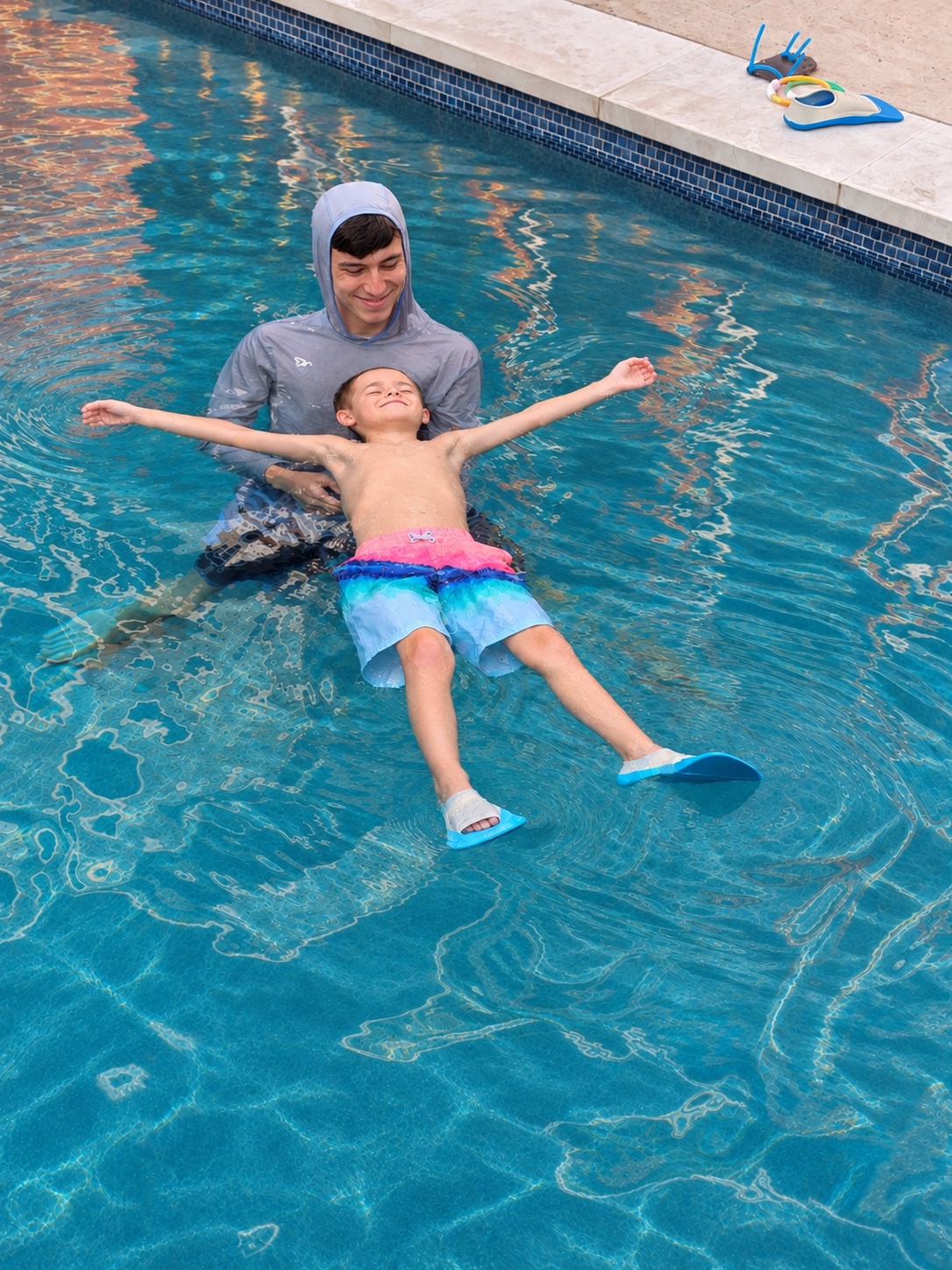
Fear of swimming is common, it can be overcome, and it usually fades the same way it grew: one small, safe experience at a time. Most people who are afraid of the water are not afraid of water itself. They are afraid of losing control: sinking, not being able to breathe, or not being able to get back to the edge. The fix is to rebuild that sense of control slowly, in warm water, with one patient instructor who never rushes or surprises you.
At Waterview Swim School, every lesson is private and one-on-one, so nervous kids, teens and adults set the pace. This guide explains why fear of the water happens, how to tell caution from fear, and seven steps that help almost anyone get comfortable.
Nervous about the water? You’re in good hands. Private 50-minute lessons for kids 5+, teens and adults at our heated pool in Rowlett.
Fear of the water rarely comes from nowhere. In our lessons, it usually traces back to one of a few things:
The good news is that each of these has the same answer: safe, repeated experiences that prove to the body it is in control. Health writers at Healthline note that gradual exposure is the main approach for fear of water, and that a trained swim instructor can help in the later stages.
Fear is also worth taking seriously because swimming is a safety skill. The CDC reports about 4,000 unintentional drowning deaths in the U.S. each year, and drowning is the leading cause of death for children ages 1 to 4. Someone who avoids the water never builds the skills that protect them around it. You can read more in our guide to drowning prevention.
A little caution around water is healthy. The goal is not to make anyone fearless. It is to replace panic with calm, skilled respect for the water.
| What it looks like | What helps | |
|---|---|---|
| Healthy caution | Checks the depth, stays near the wall, listens to the instructor | Keep building skills; this is a good sign |
| Fear | Refuses to get the face wet, grips the wall or the instructor, cries or freezes, avoids pool parties and lake trips | Slow, private lessons in warm, shallow water |
| Phobia | Panic at the thought of water, trouble breathing, dizziness, avoids even baths or showers, fear lasting six months or more | A doctor or therapist first, then lessons alongside that help |
A true phobia of water is sometimes called aquaphobia. Healthline describes it as a lasting fear that is out of proportion to the actual danger, with signs like a racing heart, chest tightness and dizziness. Exposure therapy and cognitive behavioral therapy are the usual treatments. If that sounds like you or your child, swim lessons can still be part of the plan, but please start with a professional.
Most of the nervous swimmers we meet are in the middle row. They want to swim. Their body just doesn’t believe it is safe yet.
These are the same steps we use with nervous swimmers of every age. Each one should feel easy before you move on. Going back a step is fine; it is part of the process, not a failure.
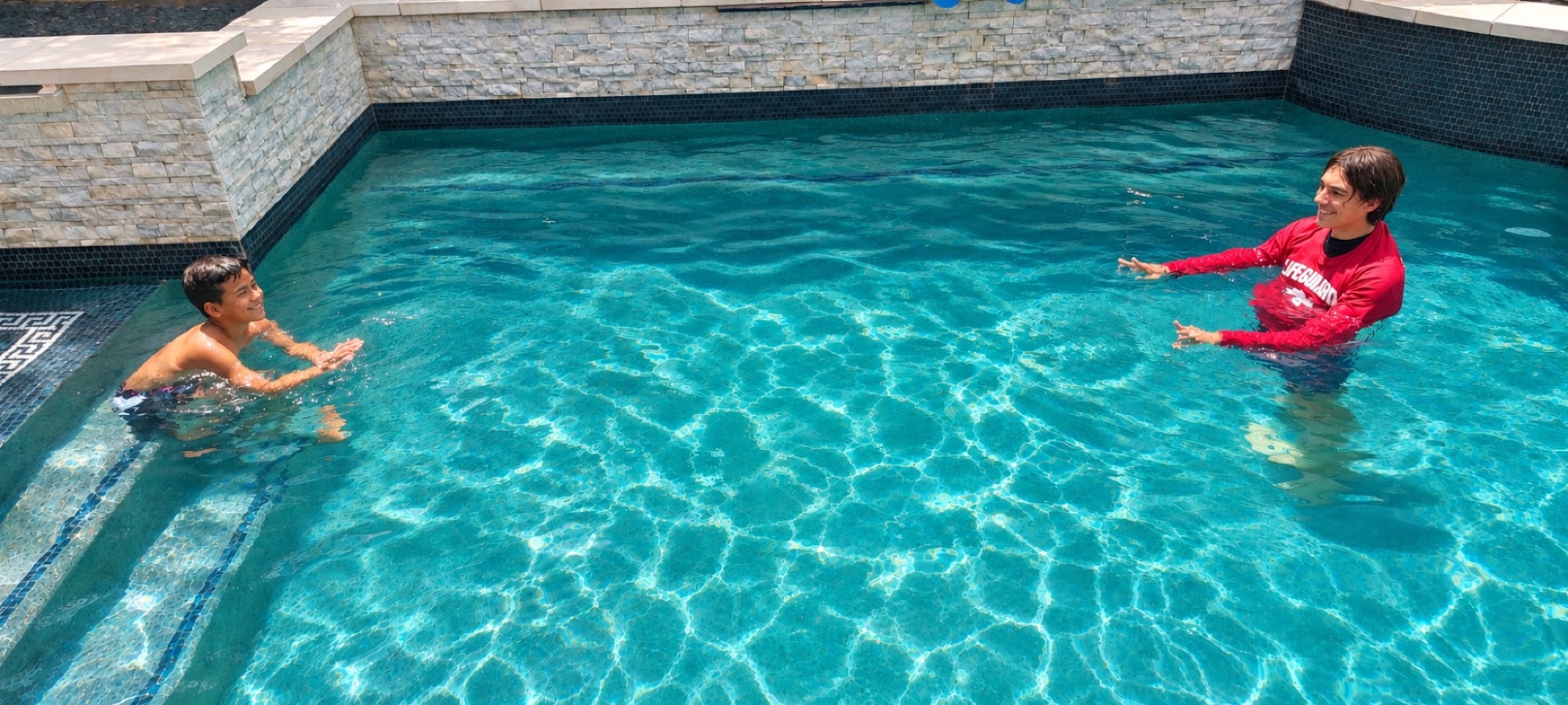
One rule runs through all seven steps: no surprises. A good instructor tells the swimmer exactly what will happen before it happens, and never dunks, splashes or lets go without warning. Trust is the whole lesson in the beginning.
Fear looks different at each age, so the approach changes a little too.
Young kids show fear with their whole body: clinging, crying, refusing to let go of the step. That is normal. What helps most is a calm adult, a predictable routine and lots of play. The American Academy of Pediatrics notes on HealthyChildren.org that children are ready for lessons at different ages, depending on their emotional maturity, physical abilities and comfort in the water.
A few things parents can do at home:
Waterview’s kids swimming lessons are for ages 5 and up, and a parent stays poolside for every lesson. If you’re still deciding on timing, see what age kids should start swim lessons.
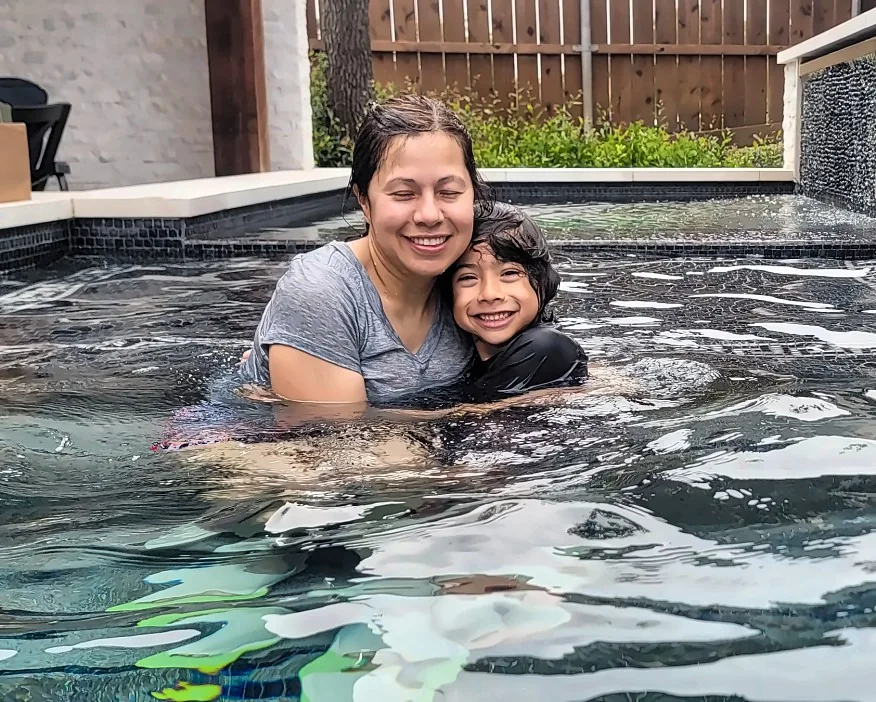
Teens rarely say they’re scared. Instead they skip pool parties, sit out at the lake, or say swimming is boring. The real worry is often being seen as a beginner by friends. Private teen swimming lessons solve that: there are no classmates watching, and progress tends to be quick once the embarrassment is gone. Compare the two formats in private vs. group swim lessons.
Adults often carry fear the longest, because they have had years to avoid the water. They also tend to learn fast once they feel safe, because they understand instructions and practice with focus. Most of our adult students are swimming in just a few lessons.
Adults usually do best when they:
Read more in adult swimming lessons and adult swim lessons: it’s never too late. Adults in Rowlett who sign up for 12 lessons are covered by the Guarantee to Swim, just like kids 5 and up.
Your first lesson is about trust, not distance. At Waterview, every lesson is 50 minutes, one-on-one, with founder and instructor Ethan Chapa, who holds Water Safety Instructor (WSI), Lifeguard and CPR/First Aid certifications. Here is what a first lesson with a nervous swimmer usually looks like:
A parent stays poolside for every lesson, and we never do drop-offs. Kids feel safer knowing you’re right there, and you see exactly how they’re progressing. Bring a swimsuit, a towel and goggles if you have them. More answers are on our FAQ page.
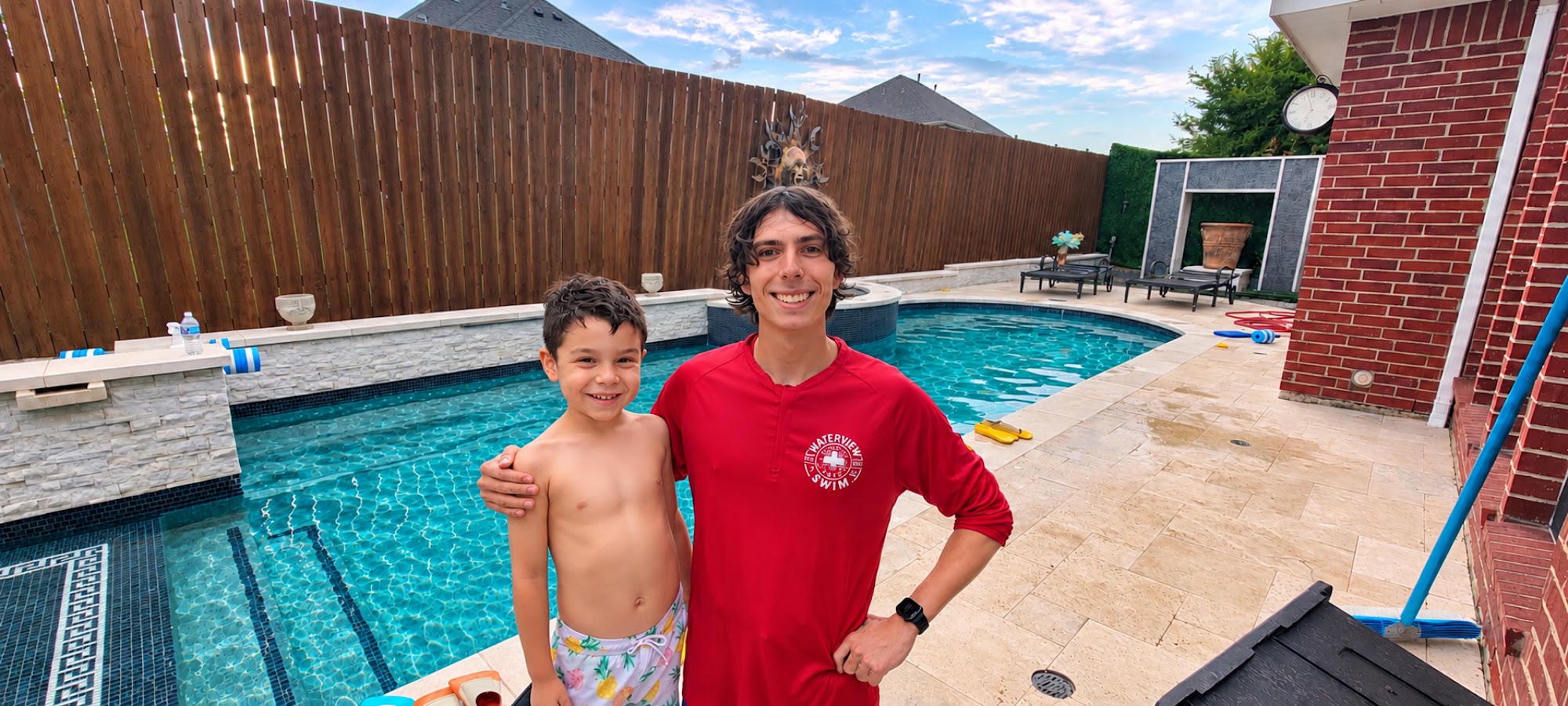
Why private lessons help nervous swimmers. In a group class, a scared swimmer waits on the wall, watches others and may feel rushed to keep up. In a private lesson, the whole 50 minutes is theirs, the pace is theirs, and nobody is watching but a parent. That’s why Waterview teaches private lessons only.
Waterview teaches nervous swimmers in two places, and they work a little differently.
| Rowlett (DFW) | Bryan/College Station | |
|---|---|---|
| Where | Waterview’s heated pool in Rowlett | Your own backyard pool |
| Season | Summer 2027: late May to mid-August | Fall and spring (fall ends Dec 10, 2026; spring starts Jan 19, 2027) |
| Hours | Mon–Sat, 9 AM–7 PM, by appointment | Mon–Thu 5–8 PM, Fri 4–8 PM, Sat 9 AM–3 PM, by appointment |
| Who | Kids 5+, teens and adults | Kids 5+, teens and adults |
| Price | $65 per 50-minute private lesson | $65 per 50-minute private lesson |
| How to start | Join the Summer 2027 DFW waitlist | Call 214-893-0078 |
Rowlett and east Dallas County. Every DFW lesson happens at our heated pool in Rowlett, and families come from nearby cities, including Rowlett, Rockwall and Garland. A quiet backyard pool with one instructor is a gentle place for a nervous swimmer to start.
Bryan and College Station. Here, Ethan comes to you. For a nervous swimmer, learning in their own familiar pool can make the first lessons much easier. The pool needs to be clean, balanced and filtered, with a shallow area to stand in, and at least 88°F (about 90°F is ideal for kids). See swim lessons in Bryan/College Station, and for Texas A&M students and other grown-ups, adult swim lessons in College Station.
Pricing in both places: $65 per 50-minute lesson. Registration is $50 per swimmer ($100 family maximum, non-refundable) and is waived with a prepaid 12-lesson package ($780). Rescheduling is free with 48 hours’ notice; a no-show is $20.
Can you get over a fear of swimming?
Yes. Most people get past it with slow, repeated, safe experiences in warm, shallow water, guided by a patient instructor. If the fear causes panic attacks or affects daily life, a doctor or therapist can help alongside lessons.
Is it too late to learn to swim as an adult if I’m afraid of water?
No. Adults are some of our fastest learners once they feel safe, and most of our adult students are swimming in just a few lessons.
My child screams at swim lessons. Should we stop?
Not necessarily, but change the approach. Go back to easier steps, use a private instructor who never forces or surprises, and keep a parent close by. Lessons should leave a child feeling safe, not scared.
Are private lessons better for a nervous swimmer?
For most nervous swimmers, yes. One instructor and one swimmer means the pace is set by the swimmer, with no classmates watching.
What should a scared swimmer learn first?
How to stand up from a float, how to breathe out underwater, and how to get back to the wall. Those three skills give back the feeling of control.
Do you offer swim lessons for nervous swimmers near me?
In the Dallas area, all lessons are at our heated pool in Rowlett for kids 5+, teens and adults. In Bryan and College Station, Ethan teaches private lessons at your home pool in fall and spring.
How much are lessons?
$65 per 50-minute private lesson. A prepaid 12-lesson package is $780 and waives the registration fee.
Ready to start? Call 214-893-0078 or join the Summer 2027 DFW waitlist. Online booking is coming soon. Pick the page that fits your swimmer: kids, teens or adults.